UI/UX
DESIGN

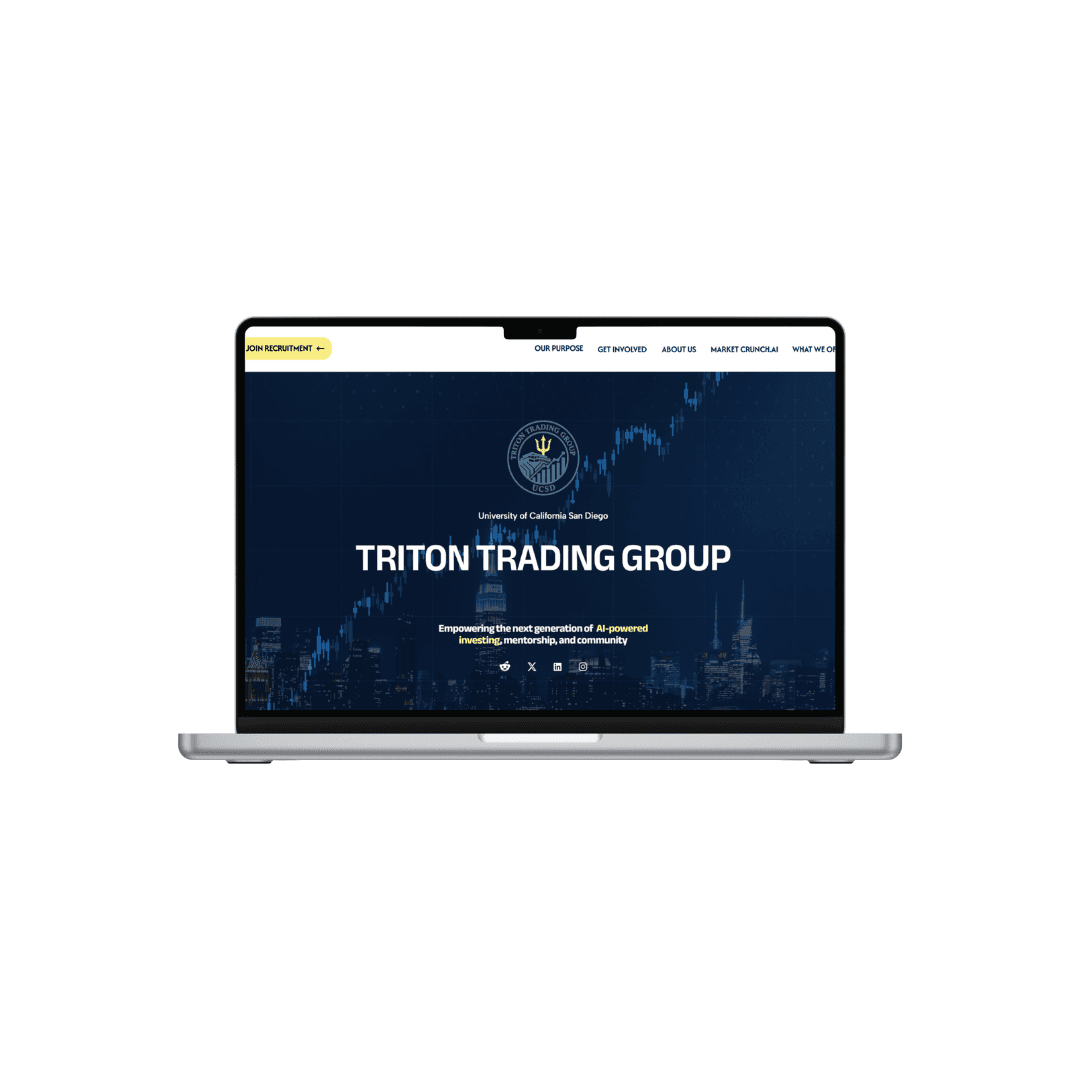
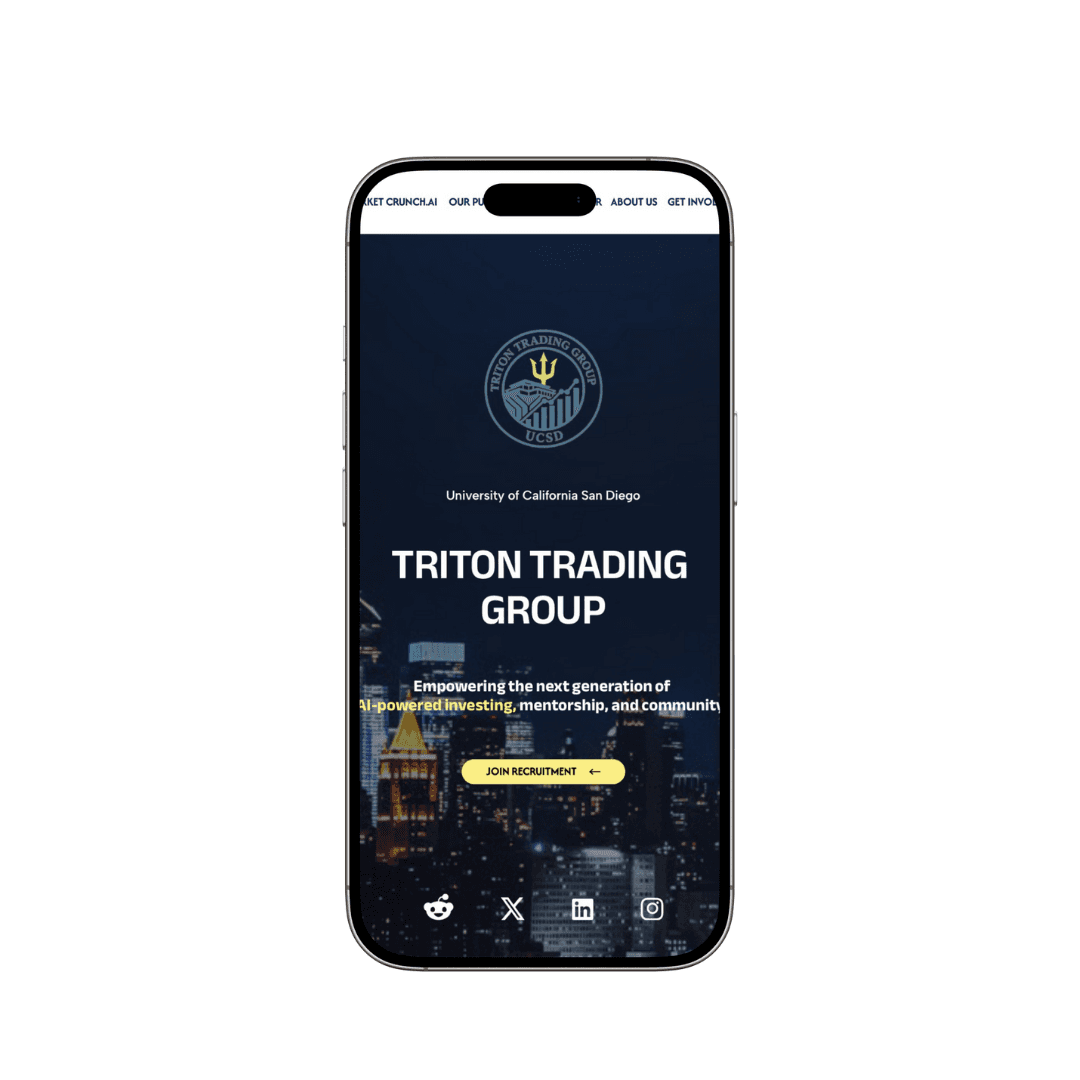
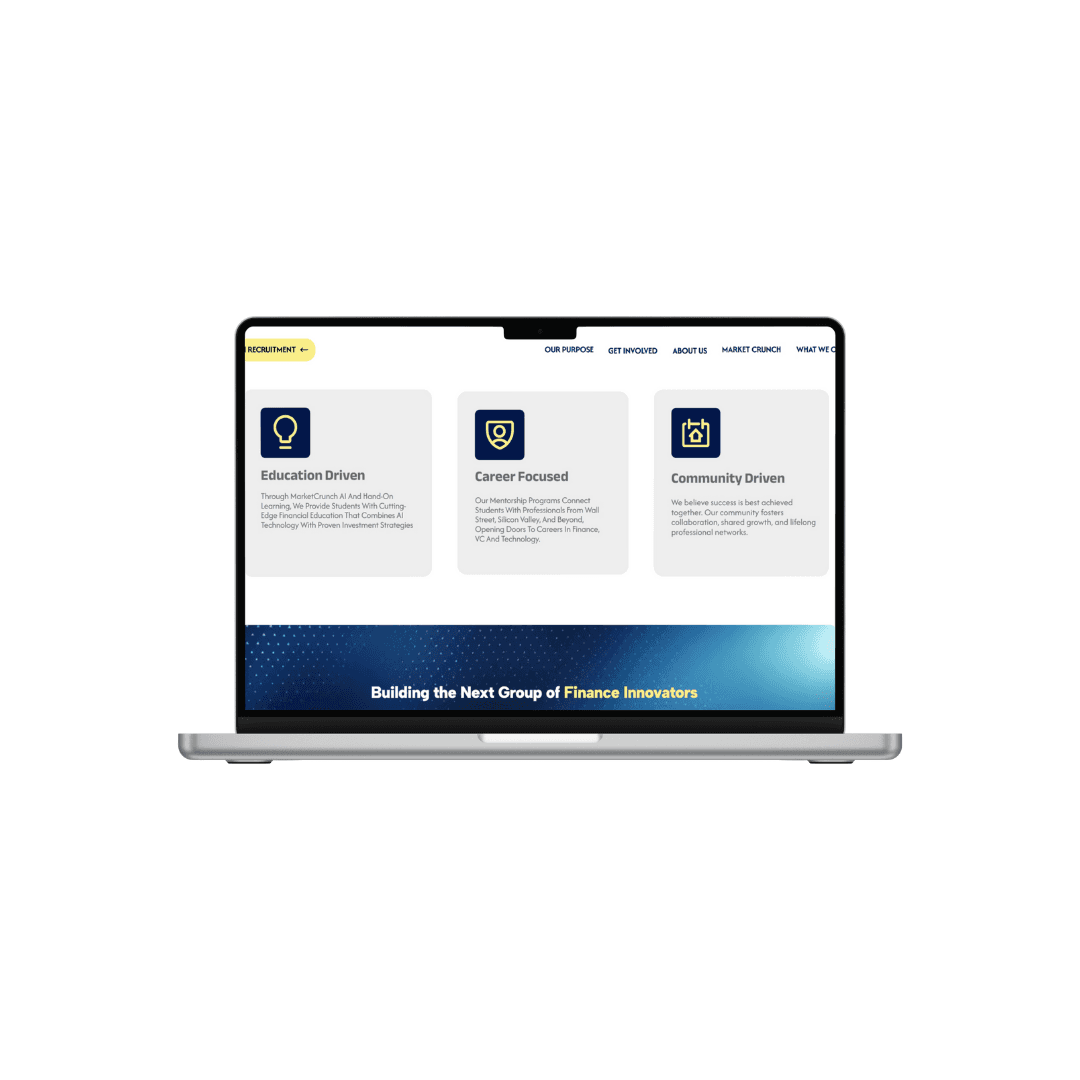
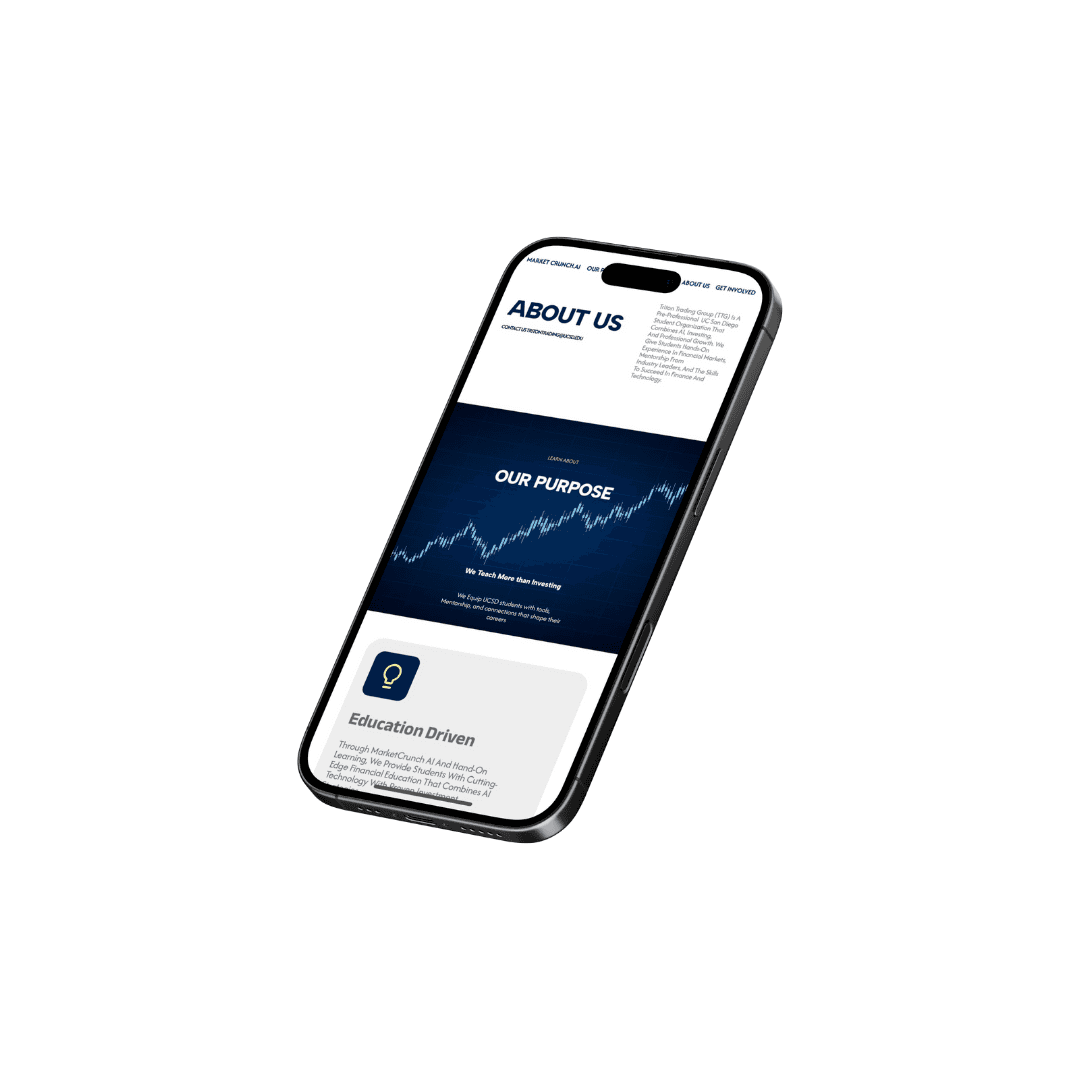
TRITON TRADING GROUP
WEBSITE V1
UI/UX
DESIGN
MY EXPERIENCES
MY EXPERIENCES
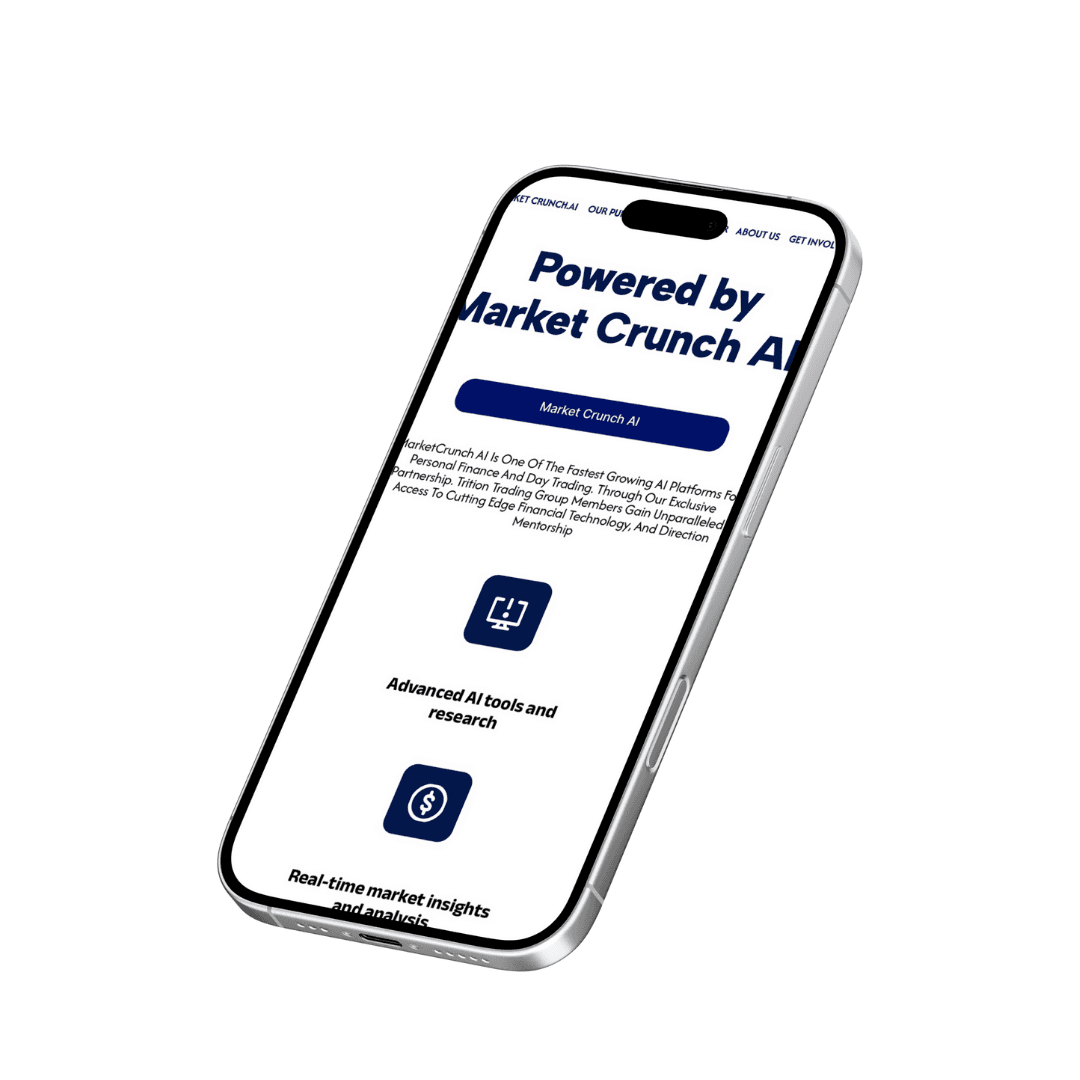
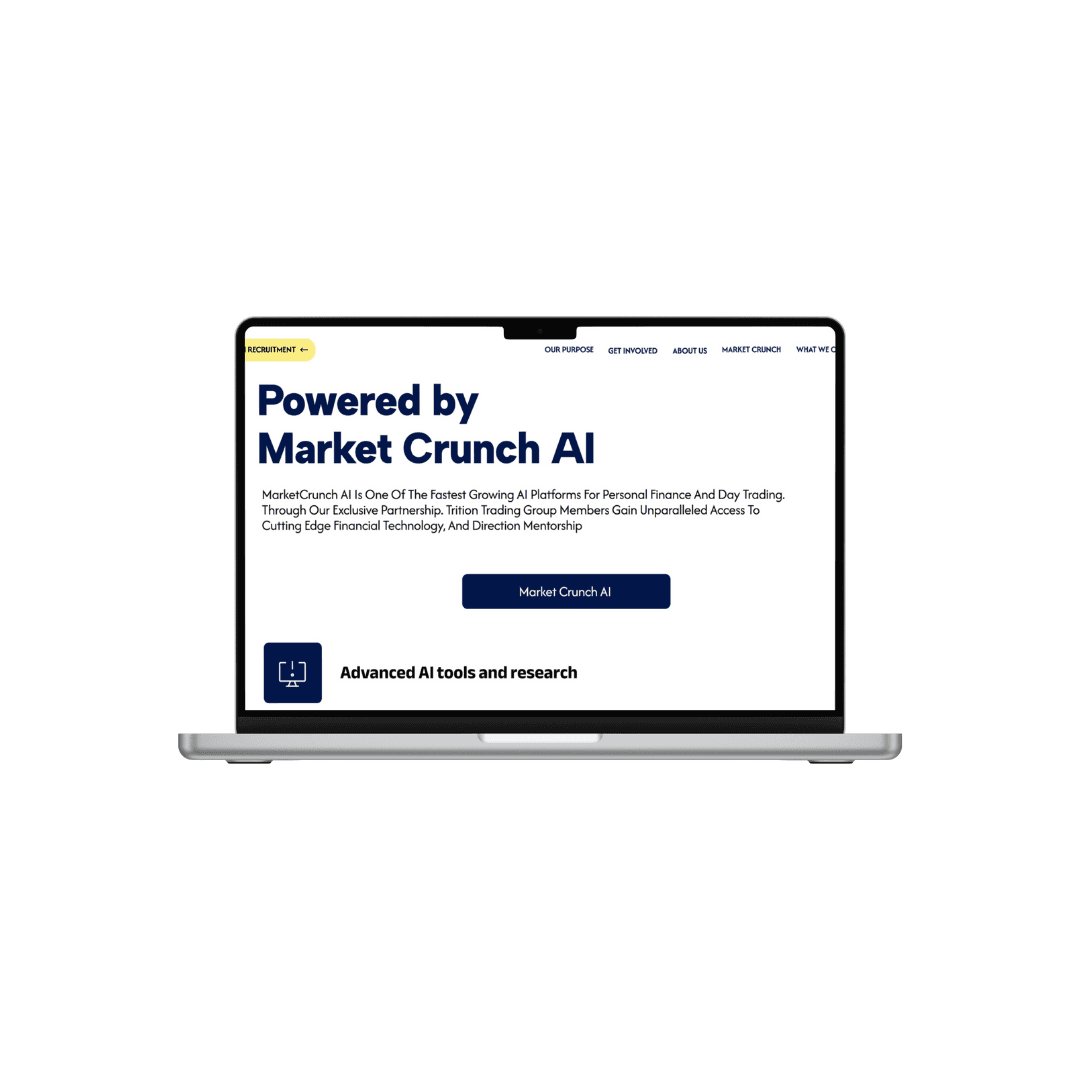
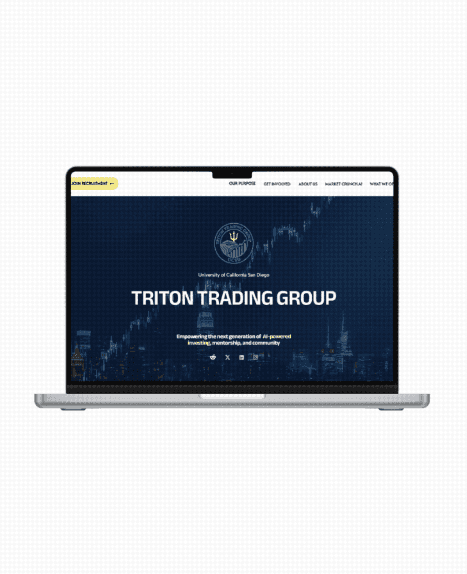
For Triton Trading Group’s website, I led the UI/UX design process from concept to execution, creating detailed wireframes, high-fidelity visual mockups, and interactive prototypes. I developed a cohesive design system with reusable components, consistent typography, and a clear visual hierarchy to ensure usability and scalability across pages.
The website’s layout and interactions were designed to align with TTG’s brand identity and functionality goals, balancing professionalism with accessibility for a student audience. I focused on intuitive navigation, clean structure, and responsive design to support outreach, education, and engagement while maintaining a polished and credible online presence.
For Triton Trading Group’s website, I led the UI/UX design process from concept to execution, creating detailed wireframes, high-fidelity visual mockups, and interactive prototypes. I developed a cohesive design system with reusable components, consistent typography, and a clear visual hierarchy to ensure usability and scalability across pages.
The website’s layout and interactions were designed to align with TTG’s brand identity and functionality goals, balancing professionalism with accessibility for a student audience. I focused on intuitive navigation, clean structure, and responsive design to support outreach, education, and engagement while maintaining a polished and credible online presence.
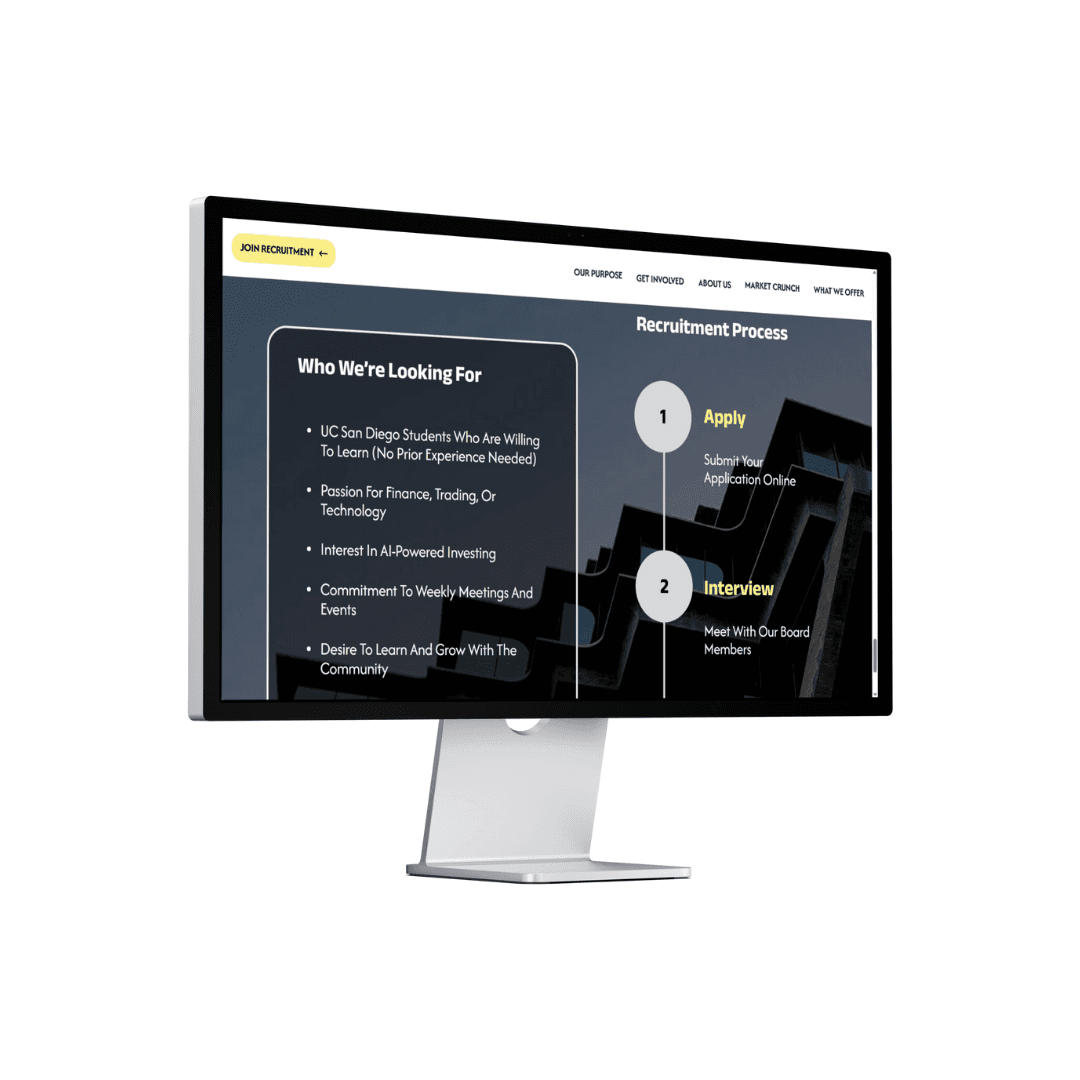
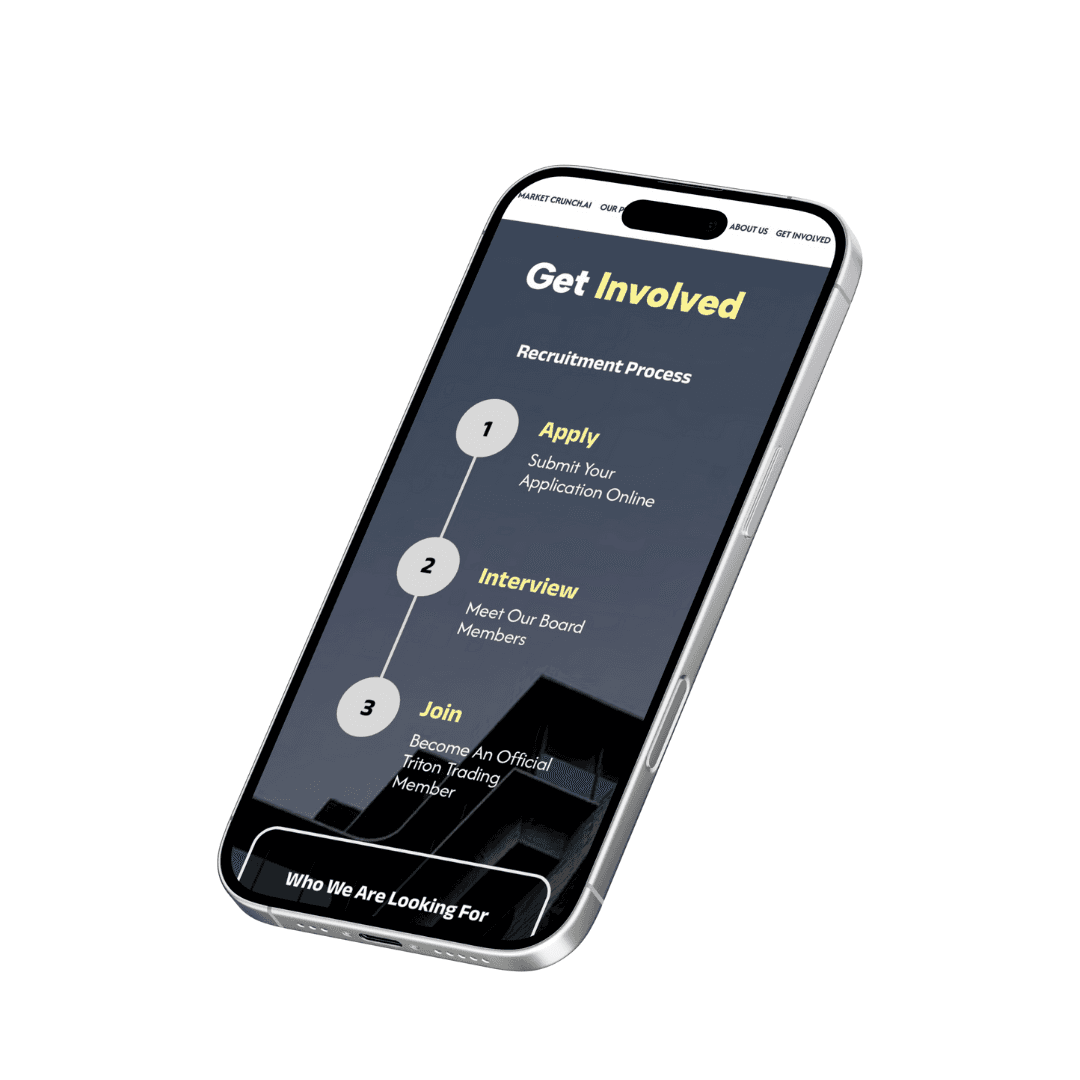
TRITON TRADING GROUP
WEBSITE V2
Role: Design Lead (from concept to execution)
Key Deliverables: Detailed wireframes, high-fidelity visual mockups, and interactive prototypes.
Focus: Develope a cohesive design system featuring reusable components and consistent typography.
Goal: The project aimed to balance professional credibility for the energy trading industry with accessibility for a student audience. The redesign focused on intuitive navigation and a clear visual hierarchy to drive outreach and engagement.
Role: Design Lead (from concept to execution)
Key Deliverables: Detailed wireframes, high-fidelity visual mockups, and interactive prototypes.
Focus: Develope a cohesive design system featuring reusable components and consistent typography.
Goal: The project aimed to balance professional credibility for the energy trading industry with accessibility for a student audience. The redesign focused on intuitive navigation and a clear visual hierarchy to drive outreach and engagement.
Triton Trading Group V1
Triton Trading Group V1
Triton Trading Group V2
Triton Trading Group V2
DiamondHacks 2026
DiamondHacks 2026
Sonder Figbuild 2026
Sonder Figbuild 2026
BrewSpace
BrewSpace





TRITON TRADING GROUP
WEBSITE V1
TRITON TRADING GROUP
WEBSITE V2
Role: Design Lead (from concept to execution)
Key Deliverables: Detailed wireframes, high-fidelity visual mockups, and interactive prototypes.
Focus: Develope a cohesive design system featuring reusable components and consistent typography.
Goal: The project aimed to balance professional credibility for the energy trading industry with accessibility for a student audience. The redesign focused on intuitive navigation and a clear visual hierarchy to drive outreach and engagement.
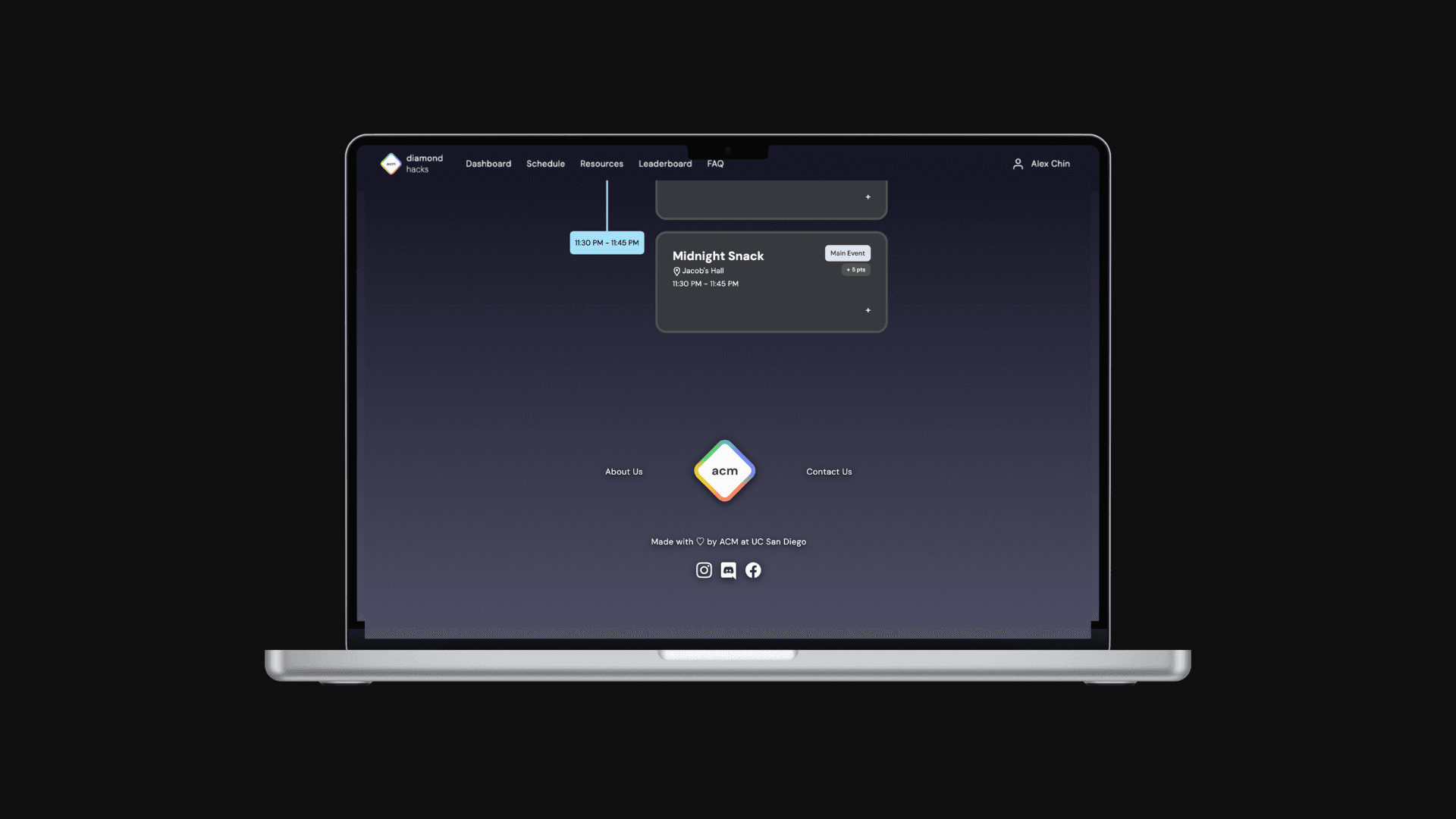
DIAMONDHACKS 2026
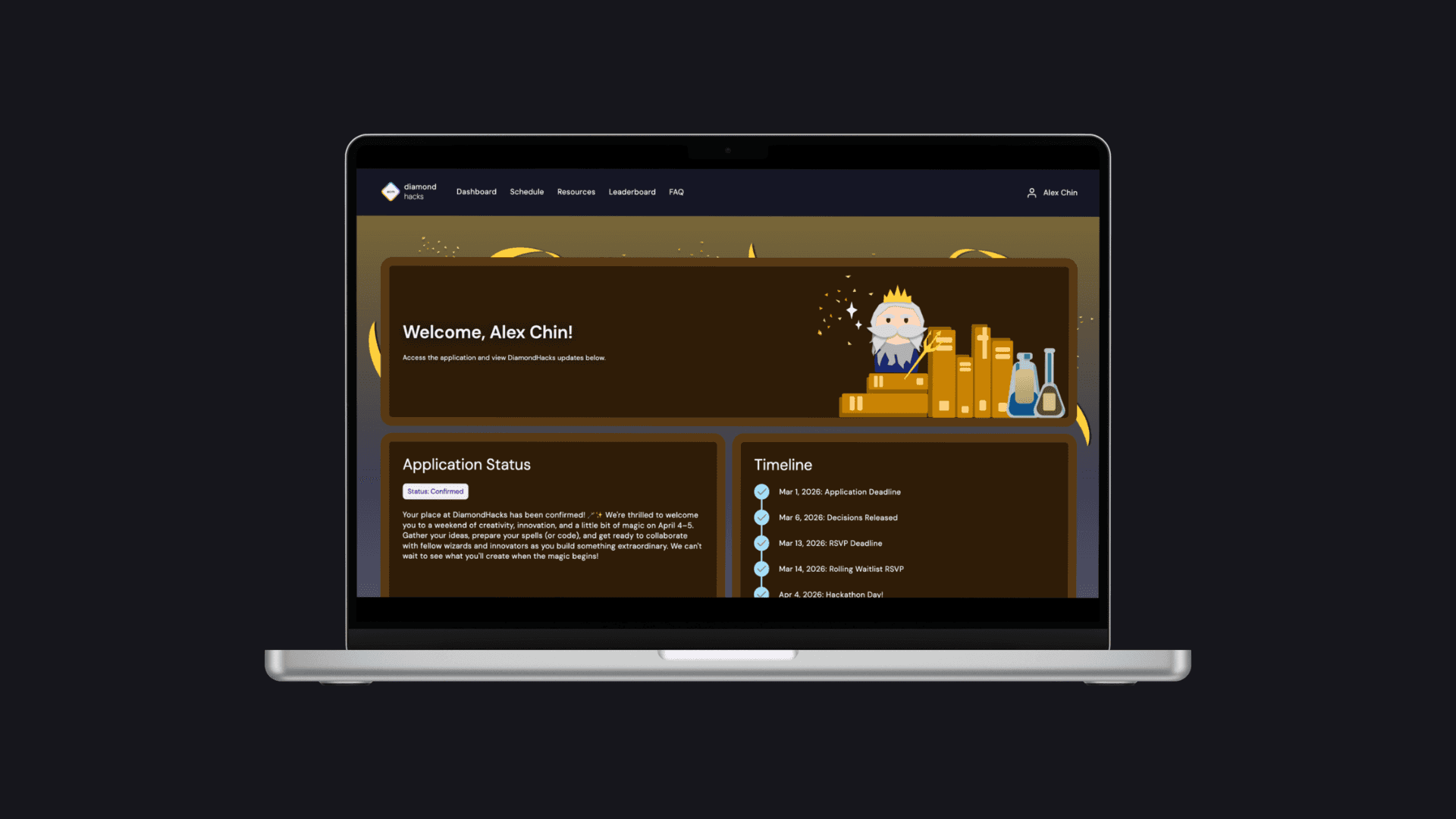
Role: UX Designer
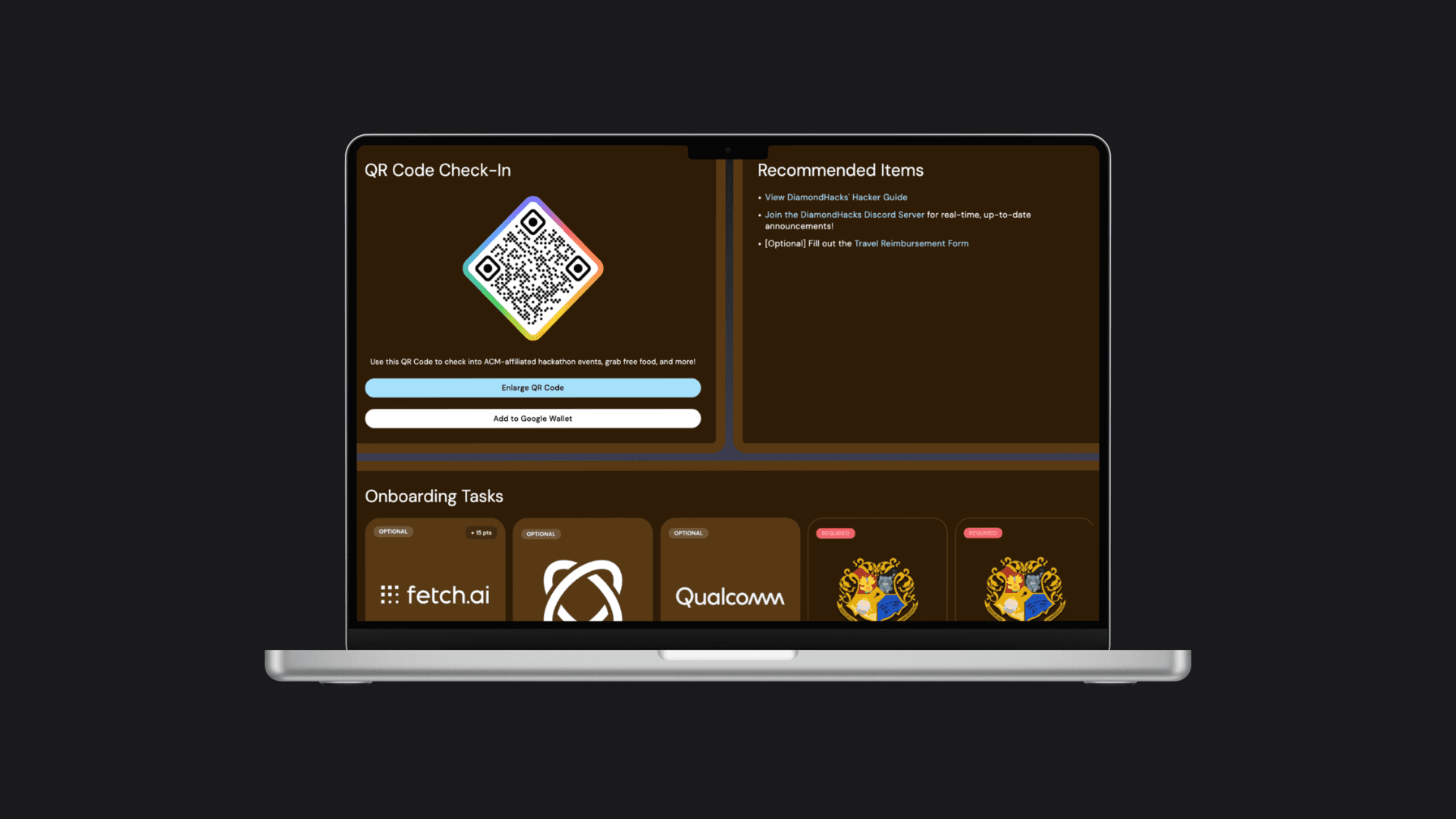
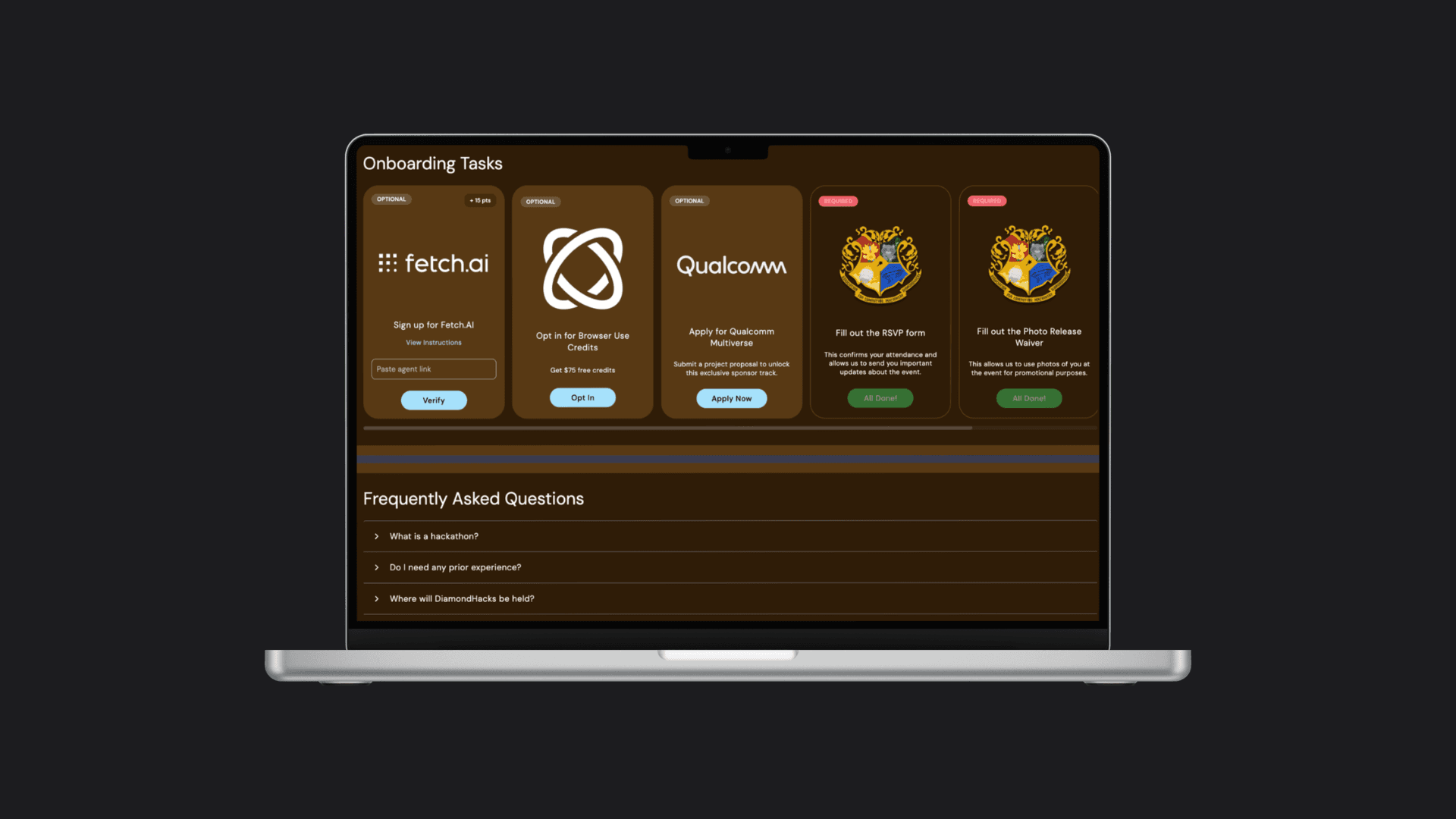
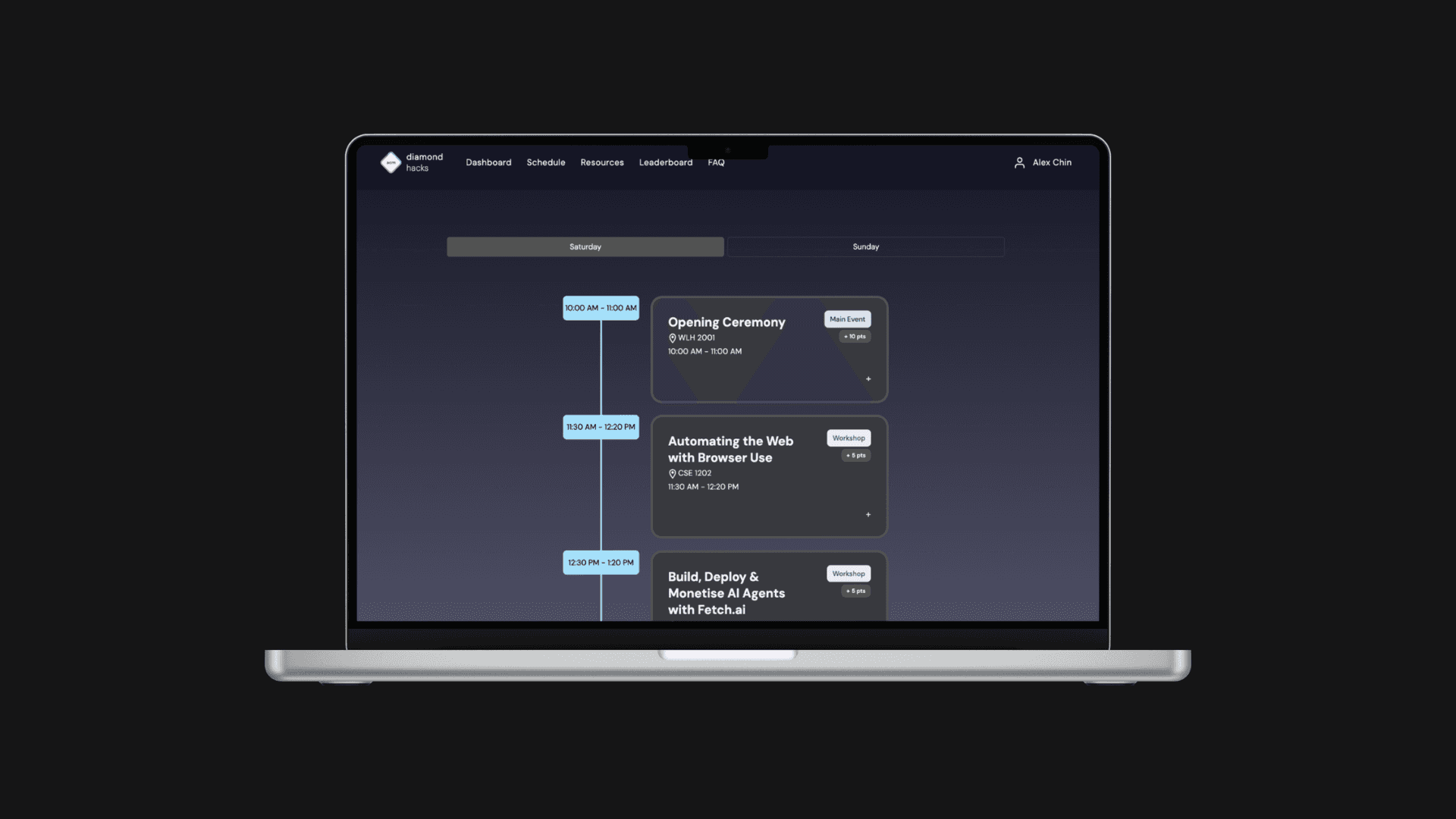
Key Deliverables: Produced a high-impact website redesign and a streamlined registration system, featuring comprehensive wireframes and high-fidelity mockups optimized for both desktop and mobile platforms.
Design Focus: The project focused on information architecture and usability, implementing a clear visual hierarchy to help users easily navigate hackathon logistics, project submissions, and sponsor information under high-traffic conditions.
Strategic Goal: The primary objective was to facilitate a seamless user journey for over 600 attendees and 160+ projects, minimizing friction in the signup process and maximizing engagement through an intuitive, accessible interface.
BrewSpace
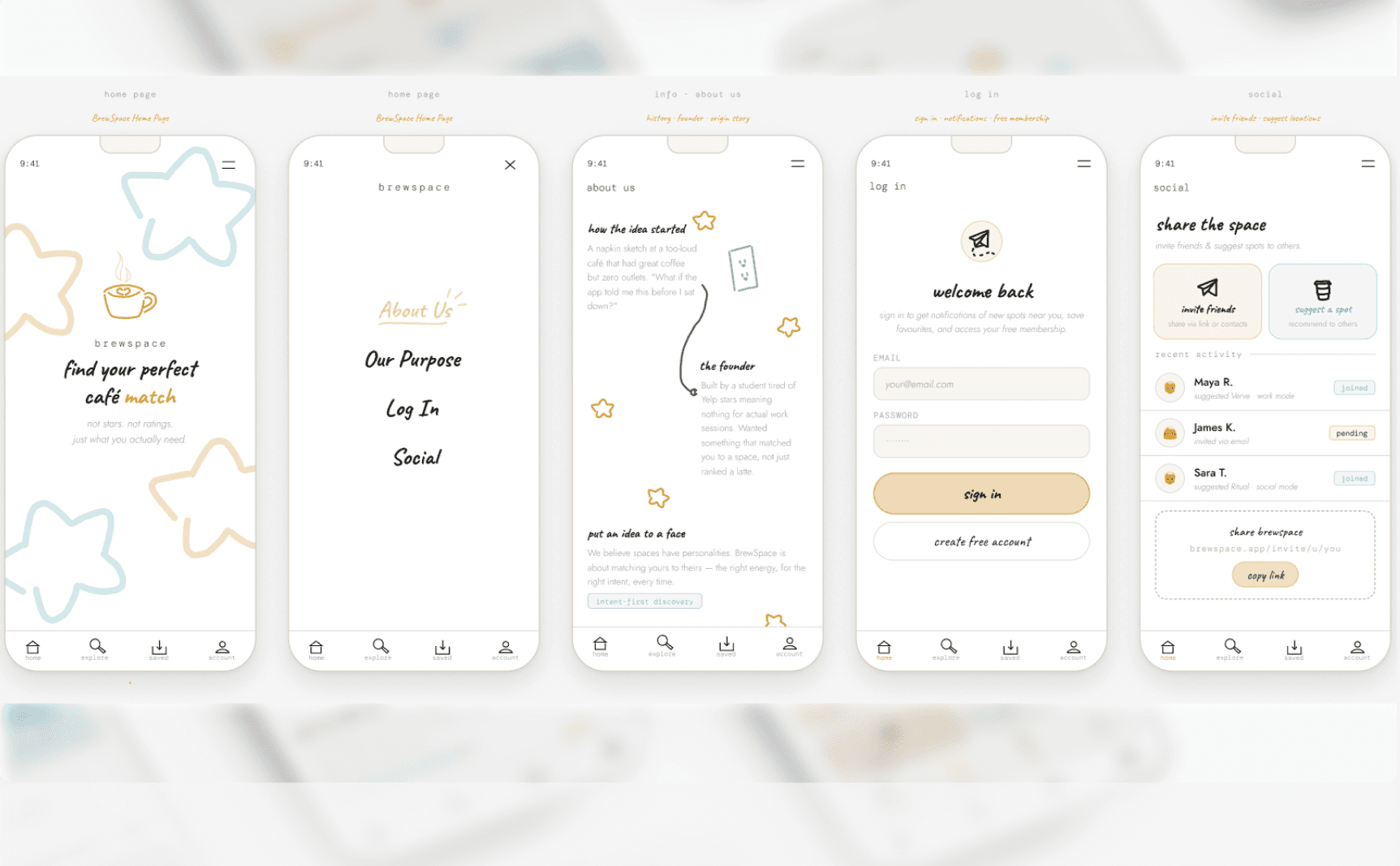
not stars. not ratings.
just what you actually need.
Role: Product Designer
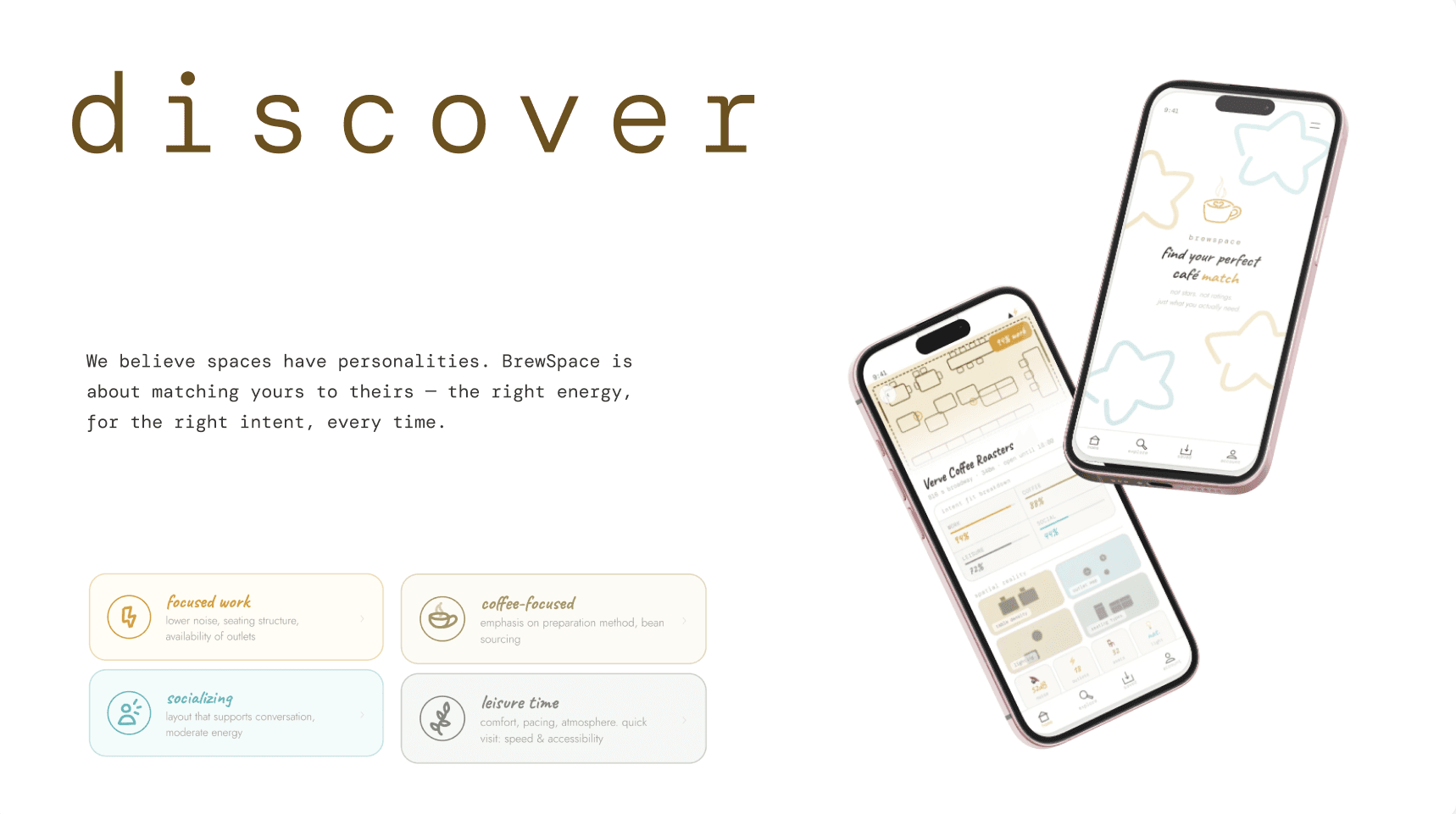
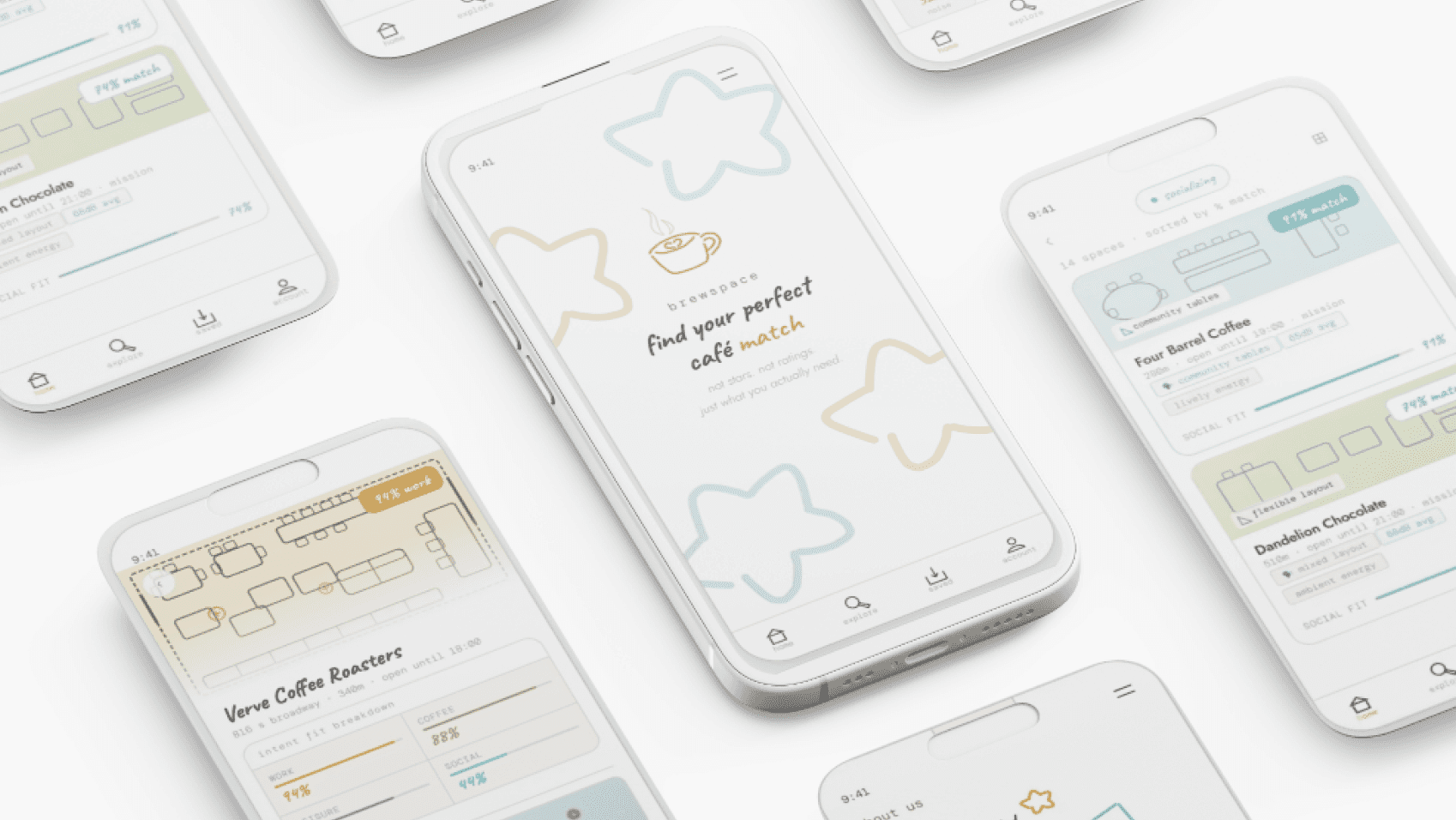
Key Deliverables: BrewSpace is a UX concept that addresses "discovery mismatch" by shifting the focus from product ratings to environmental context.
Problem: Users seeking workspaces often face poor experiences because traditional platforms prioritize star ratings over environmental factors like seating or noise.
Design Focus: Users seeking workspaces often face poor experiences because traditional platforms prioritize star ratings over environmental factors like seating or noise.
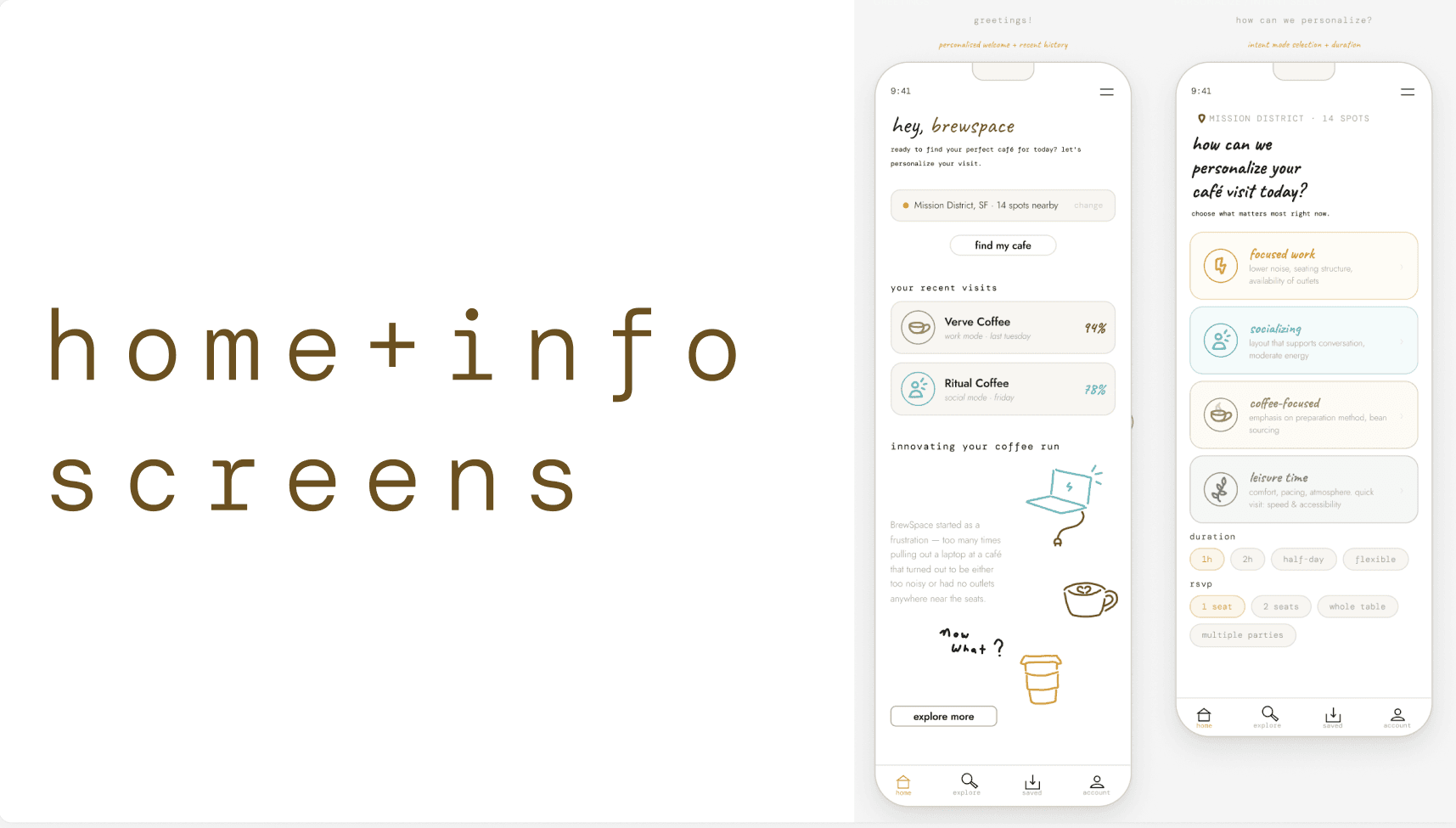
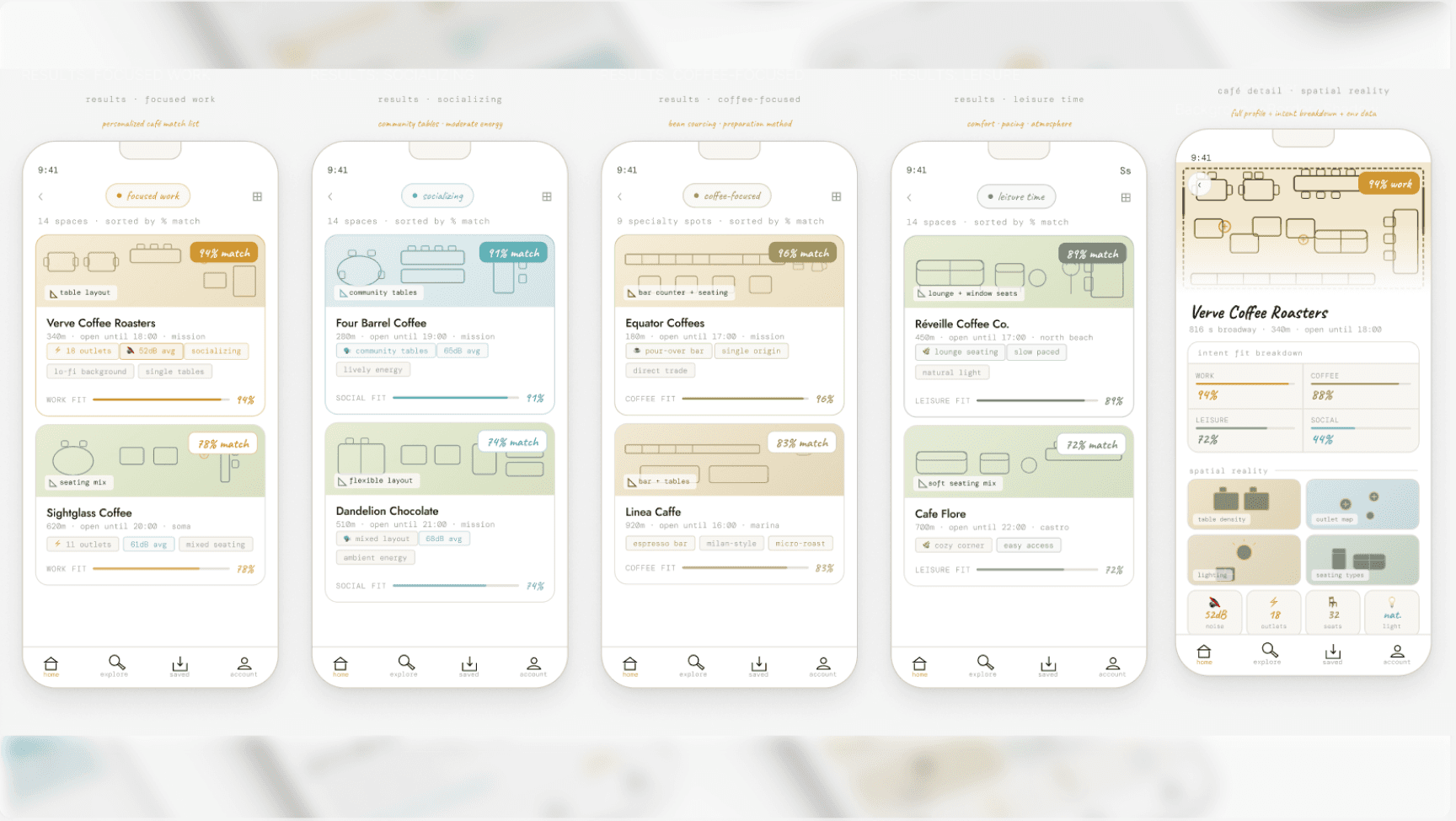
Solution: The platform pivots to an "intent-based" search, helping users find the best environment for their specific needs rather than just the "best coffee".
Strategic Goal: Users can filter for noise levels, outlet availability, and social atmosphere.
Contextual Mapping: Matches the user's current goal (e.g., deep work vs. social study) with the appropriate space.
Tools: Concepted and prototyped using Figma.
SONDER @
FIGBUILD 2026
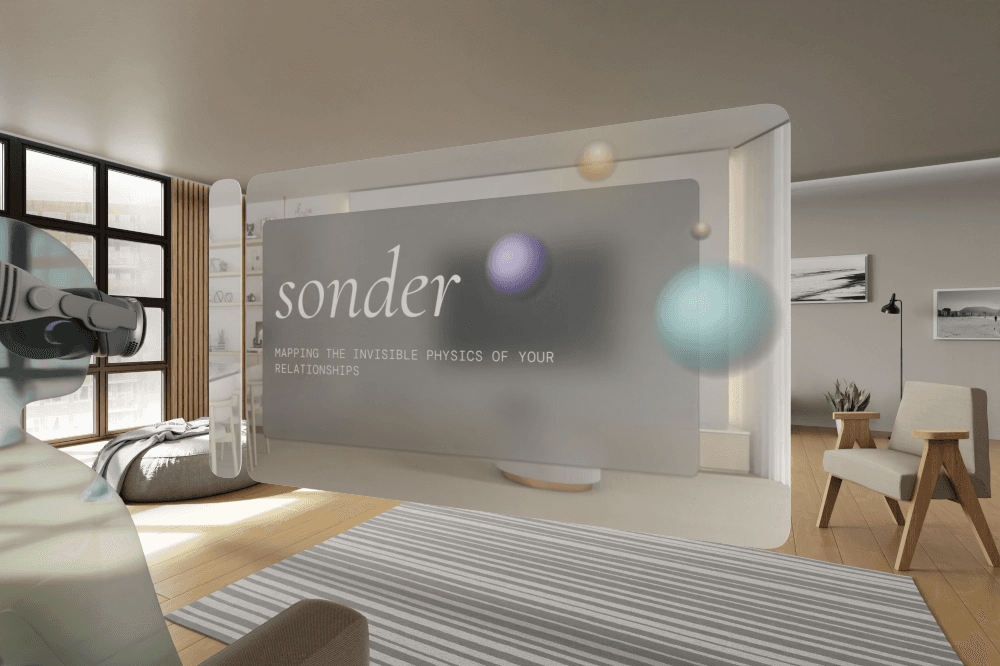
Role: Product Designer
Key Deliverables: Produced a comprehensive suite of assets, including a distinct visual identity system, user flow diagrams, and a polished mobile interface that utilized advanced Figma features like auto-layout and complex prototyping.
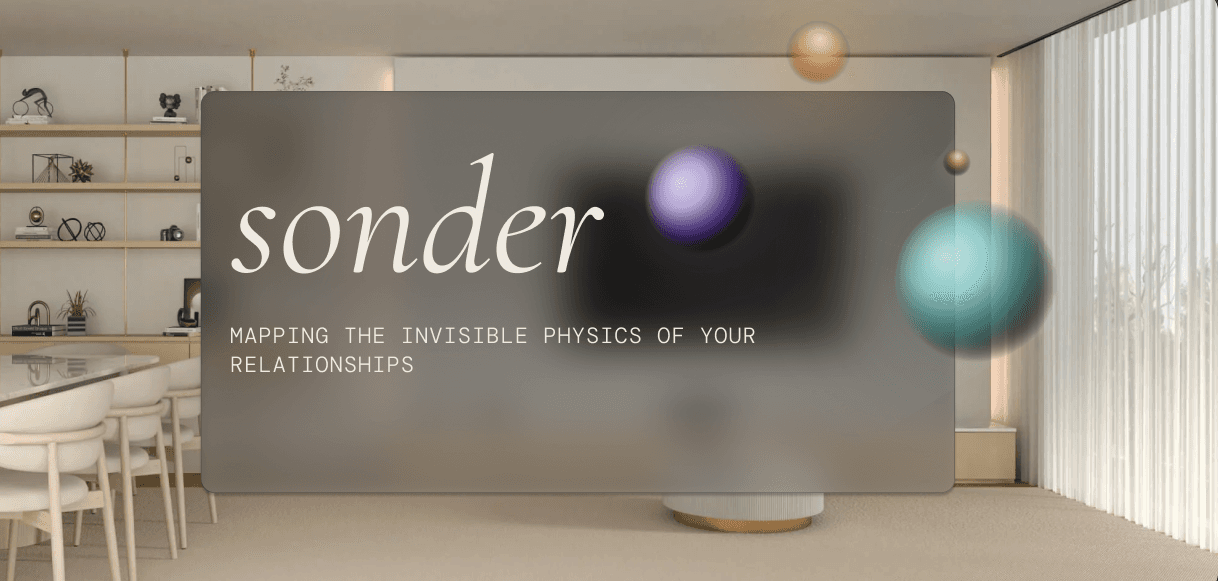
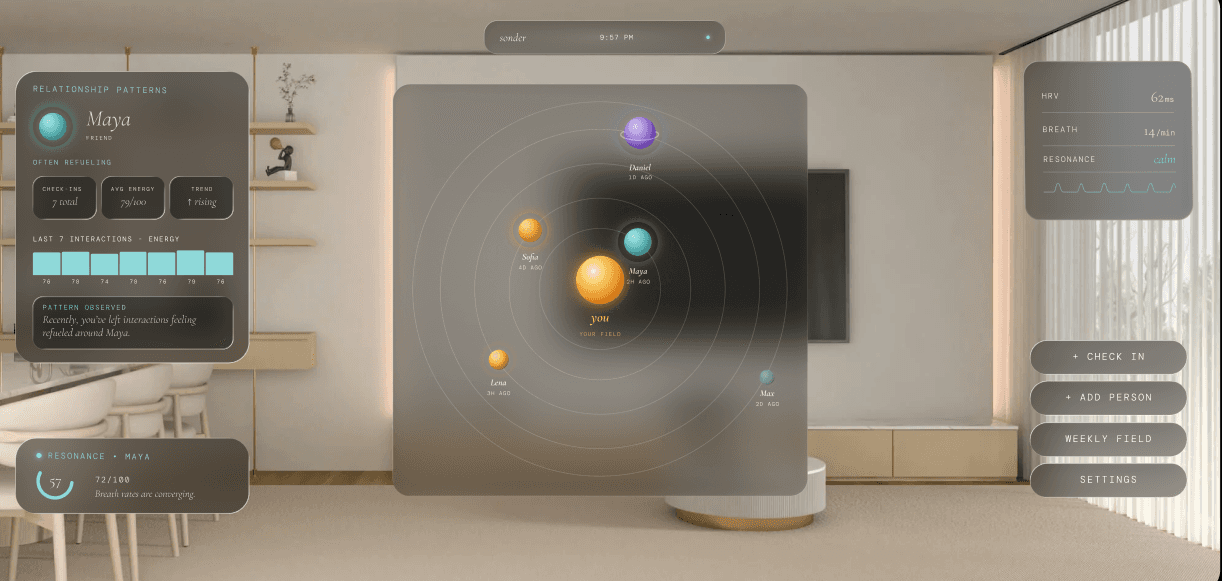
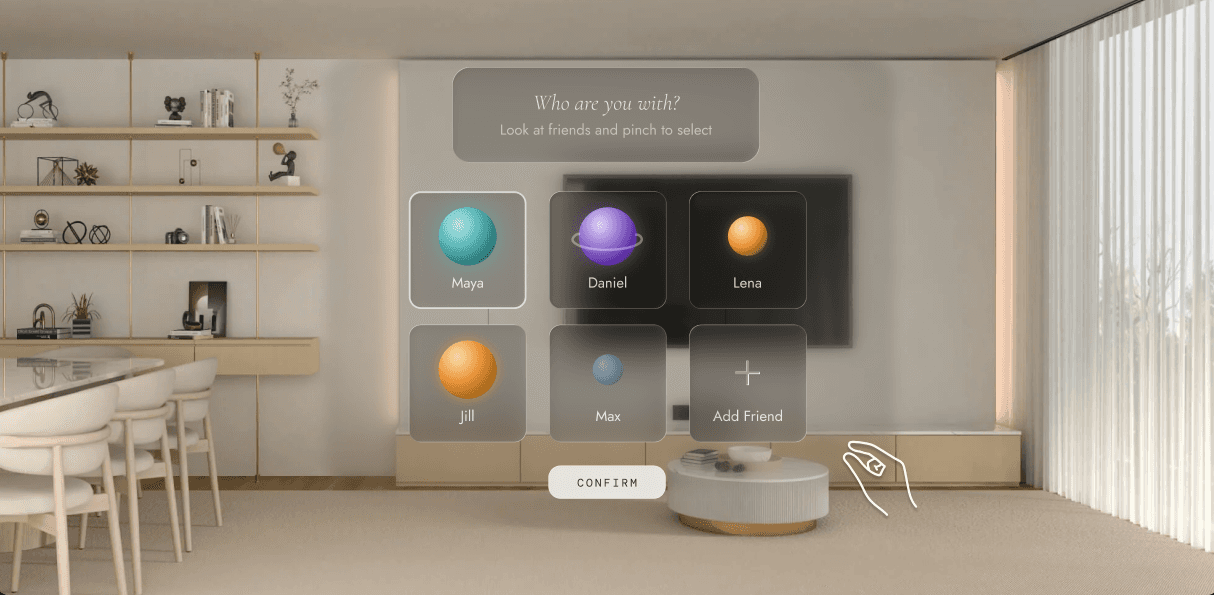
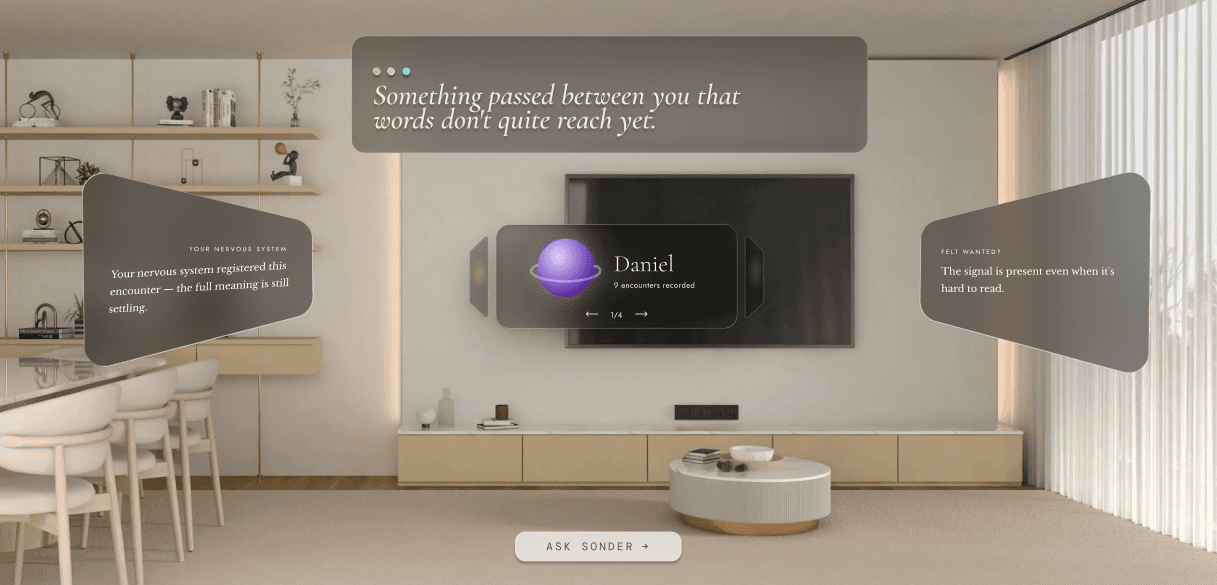
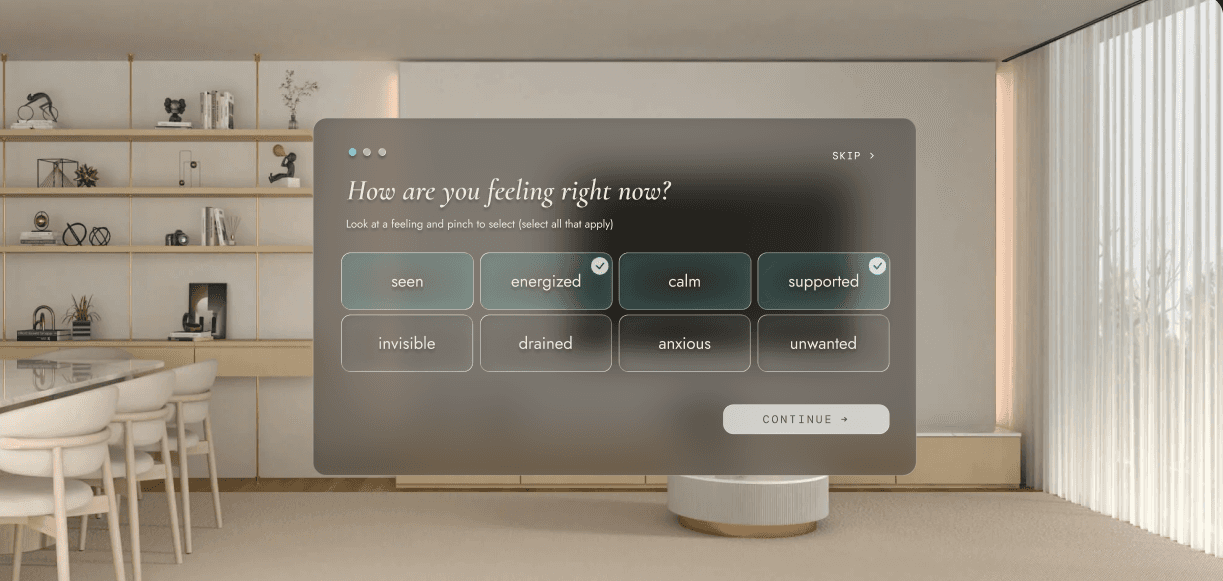
Design Focus: The project prioritized empathy-driven UI, using minimalist card layouts, atmospheric glassmorphism, and a soft color palette to create an intimate user experience centered around storytelling and human connection.
Strategic Goal: The core objective was to facilitate meaningful discovery, designing a platform that encourages users to share "digital traces" of their lives to foster a sense of community and combat digital isolation in urban environments.
SONDER @
FIGBUILD 2026
Role: Product Designer
Key Deliverables: She produced a comprehensive suite of assets, including a distinct visual identity system, user flow diagrams, and a polished mobile interface that utilized advanced Figma features like auto-layout and complex prototyping.
Design Focus: The project prioritized empathy-driven UI, using minimalist card layouts, atmospheric glassmorphism, and a soft color palette to create an intimate user experience centered around storytelling and human connection.
Strategic Goal: The core objective was to facilitate meaningful discovery, designing a platform that encourages users to share "digital traces" of their lives to foster a sense of community and combat digital isolation in urban environments.
DIAMONDHACKS 2026
DIAMONDHACKS 2026
Role: UX Designer
Key Deliverables: Produced a high-impact website redesign and a streamlined registration system, featuring comprehensive wireframes and high-fidelity mockups optimized for both desktop and mobile platforms.
Design Focus: The project focused on information architecture and usability, implementing a clear visual hierarchy to help users easily navigate hackathon logistics, project submissions, and sponsor information under high-traffic conditions.
Strategic Goal: The primary objective was to facilitate a seamless user journey for over 600 attendees and 160+ projects, minimizing friction in the signup process and maximizing engagement through an intuitive, accessible interface.
Role: UX Designer
Key Deliverables: Produced a high-impact website redesign and a streamlined registration system, featuring comprehensive wireframes and high-fidelity mockups optimized for both desktop and mobile platforms.
Design Focus: The project focused on information architecture and usability, implementing a clear visual hierarchy to help users easily navigate hackathon logistics, project submissions, and sponsor information under high-traffic conditions.
Strategic Goal: The primary objective was to facilitate a seamless user journey for over 600 attendees and 160+ projects, minimizing friction in the signup process and maximizing engagement through an intuitive, accessible interface.
SONDER @
FIGBUILD 2026
Role: Product Designer
Key Deliverables: She produced a comprehensive suite of assets, including a distinct visual identity system, user flow diagrams, and a polished mobile interface that utilized advanced Figma features like auto-layout and complex prototyping.
Design Focus: The project prioritized empathy-driven UI, using minimalist card layouts, atmospheric glassmorphism, and a soft color palette to create an intimate user experience centered around storytelling and human connection.
Strategic Goal: The core objective was to facilitate meaningful discovery, designing a platform that encourages users to share "digital traces" of their lives to foster a sense of community and combat digital isolation in urban environments.
BrewSpace
not stars. not ratings.
just what you actually need.
Role: Product Designer
Key Deliverables: BrewSpace is a UX concept that addresses "discovery mismatch" by shifting the focus from product ratings to environmental context.
Problem: Users seeking workspaces often face poor experiences because traditional platforms prioritize star ratings over environmental factors like seating or noise.
Design Focus: Users seeking workspaces often face poor experiences because traditional platforms prioritize star ratings over environmental factors like seating or noise.
Solution: The platform pivots to an "intent-based" search, helping users find the best environment for their specific needs rather than just the "best coffee".
Strategic Goal: Users can filter for noise levels, outlet availability, and social atmosphere.
Contextual Mapping: Matches the user's current goal (e.g., deep work vs. social study) with the appropriate space.
Tools: Concepted and prototyped using Figma.
Role: Product Designer
Key Deliverables: BrewSpace is a UX concept that addresses "discovery mismatch" by shifting the focus from product ratings to environmental context.
Problem: Users seeking workspaces often face poor experiences because traditional platforms prioritize star ratings over environmental factors like seating or noise.
Design Focus: Users seeking workspaces often face poor experiences because traditional platforms prioritize star ratings over environmental factors like seating or noise.
Solution: The platform pivots to an "intent-based" search, helping users find the best environment for their specific needs rather than just the "best coffee".
Strategic Goal: Users can filter for noise levels, outlet availability, and social atmosphere.
Contextual Mapping: Matches the user's current goal (e.g., deep work vs. social study) with the appropriate space.
Tools: Concepted and prototyped using Figma.